In the Era of Vibe Coding, Don’t Let AI Anxiety Mask Your Strategic Laziness
AI is sweeping through industries, creating anxiety and FOMO in the workplace. This article reveals a harsh truth: the real moat worth building is not tool skills, but the judgment to define problems. When medical AI product Suki passed FDA approval, it proved that business understanding is more important than model capability. How should we reconstruct our relationship with AI?

Lately, I haven’t been sleeping well. It’s not due to project pressure, but because my information stream bombards me daily: new model releases, someone creating a SaaS in three hours using AI, industry reports indicating mass layoffs in certain roles starting Q3. The first thing I do each morning is check for any new tools that went live the night before, fearing I might fall behind. Eventually, I did the math and realized how foolish I was.
We Are Not Chasing a Train
The underlying logic of FOMO is: there is a finish line, and if you run too slowly, you miss the train.
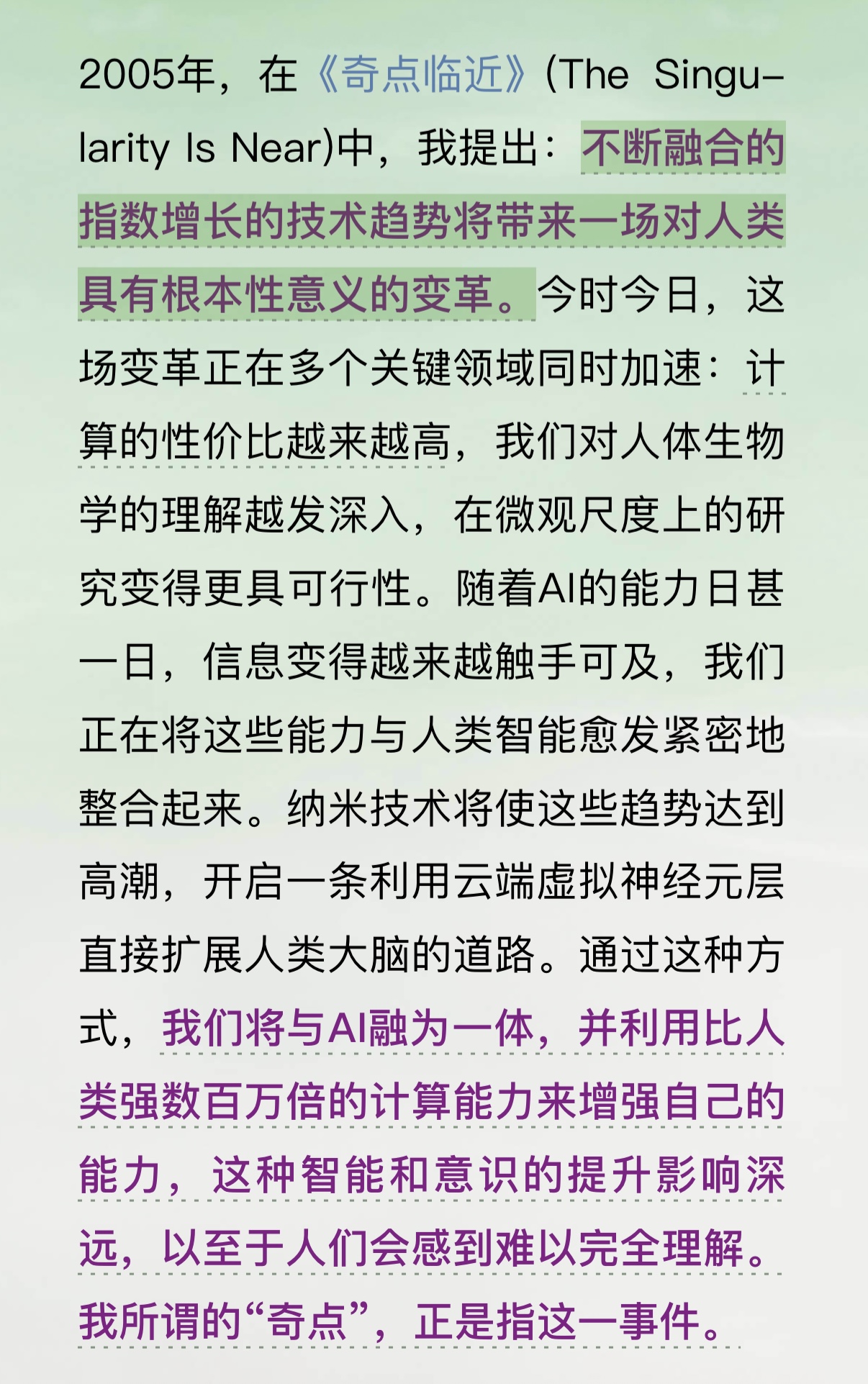
However, the evolution of AI capabilities is not a train; it’s a continuously accelerating track. As articulated in The Singularity is Near, technological development follows exponential growth, while human adaptation is linear. Using linear energy to chase every exponential wave is not effort; it’s waste.
More critically, the speed at which new models are released and the speed at which you can actually benefit from them are not on the same timescale.
A specific figure: by 2025, less than 30% of enterprise-level AI procurement projects will successfully close the ROI loop. Most failures are not due to inadequate models but because no one clearly defines “what real business problem this AI is meant to solve.” High API call costs, integration expenses, and employee learning curves can collectively reduce net profit margins by 15% to 20%.
Anxiety pushes you in, while costs bury you.
Outsourcing Mindset in New Clothes
After recognizing the essence of FOMO, I began observing those around me who are “actively embracing AI.” I found that most are merely putting old habits in new skins.
In the past: vague requirements → outsourced to programmers → acceptance of results → when issues arise, consult programmers.
Now: vague requirements → outsourced to AI → paste code → when issues arise, unsure where to check.
The tool changed, but the mindset did not.
This outsourcing mentality is harmless in simple scenarios and can even be quite efficient. However, once you enter the complexities of real business—high concurrency, boundary conditions, multi-role permissions, data consistency—AI-generated systems can collapse under pressure, and you won’t even know where it broke because you never truly understood it.
At an offline sharing session, I once heard a true story: a team used AI-assisted tools to build a user points system in two weeks. The demonstration was perfect, but once launched, they encountered concurrent write issues, causing point data to drift. After three days of troubleshooting, they discovered it was a database transaction isolation level issue. No AI tool would prompt you to consider this concept because you never mentioned it in your instructions.
AI won’t tell you what it doesn’t know. It will only answer the questions you ask.
This is the true fatal flaw of the outsourcing mindset: you think you’re mastering the tool, but in reality, you’re paying for your cognitive blind spots.
The Moat Lies in Judgment, Not Tools
So what is the truly valuable capability to build?
It’s not about “which AI tools you can use,” but “what you can define as a real problem worth solving.”
This may sound like a cliché, but it’s actually very difficult to achieve. It requires you to have hands-on experience in real business—seeing where users complain, where processes get stuck, and where data lies. This judgment is not learned from documents; it grows from repeated experiences of “I thought this design was correct, but it was wrong.”
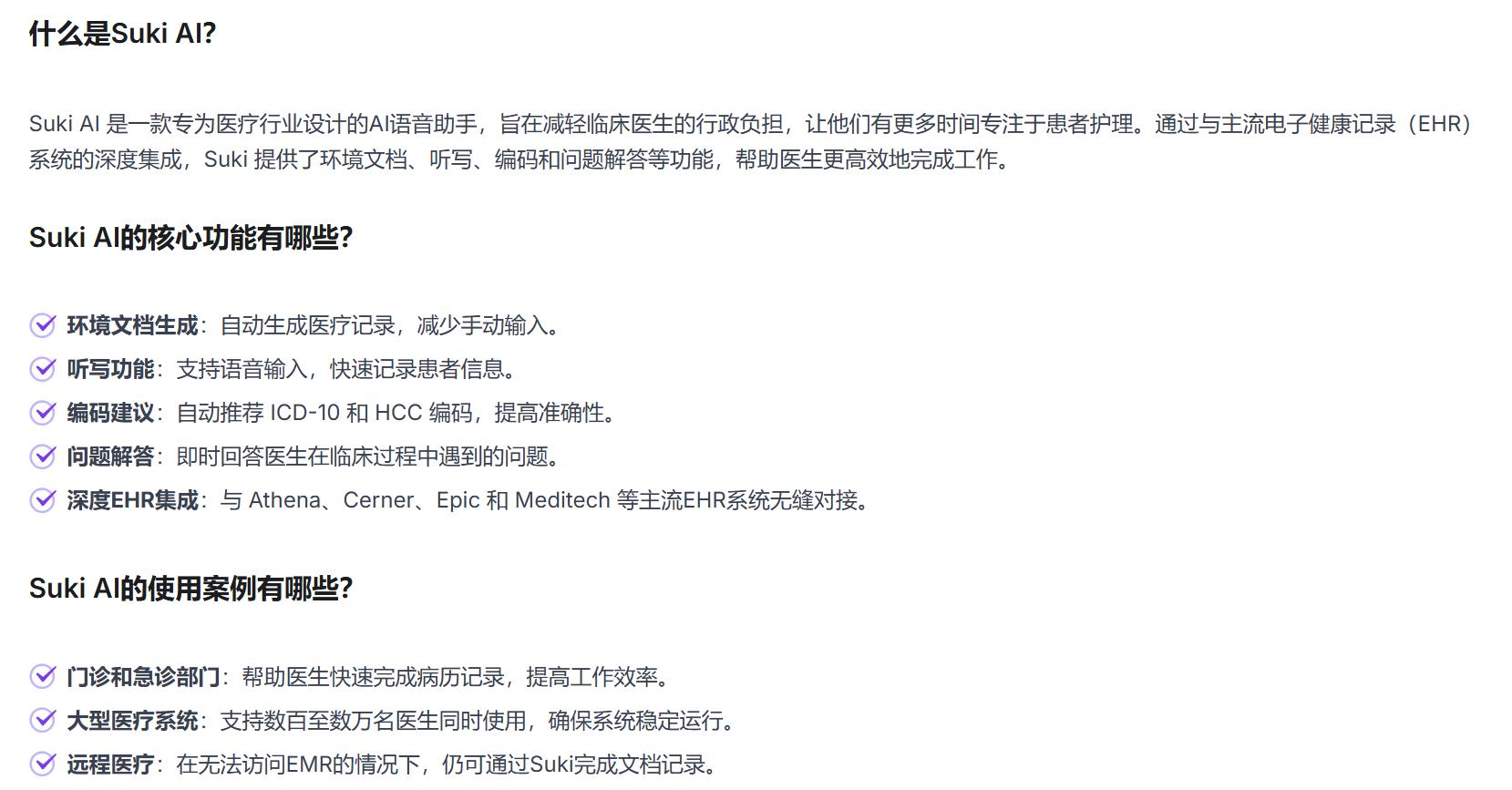
A reverse example: the medical AI product Suki passed FDA approval not because its model was stronger than competitors, but because the product team made a crucial design decision—directly filling in high-confidence medical records and highlighting low-confidence content for doctors to review. This distinction comes from an understanding of real medical risks, not from any AI tool usage skills. Without having experienced real processes in the medical field, one would never see this design point.
Judgment is Built This Way, It Doesn’t Automatically Grow with Tool Upgrades.
There’s another more insidious risk: if you become accustomed to AI’s “ask and you shall receive” service model, your brain will gradually stop independent thinking about the problem itself. By that time, the cognitive level achievable by AI will truly become your professional ceiling—not because you’re not diligent, but because you can no longer judge independently.
Calmness does not come from “I’m keeping up,” but from “I know what I’m doing.”
Model companies like to name their models after animals (capybaras) and foods (potatoes) as a deliberate strategy to make them more relatable, aiming to reduce the public’s distance from new technologies. This strategy is effective in market communication. But don’t mistake knowing a new term for having a firm footing in this transformation.
True calmness has only one source: you have a blueprint in hand, knowing what you are building and why.
Practically, this means three things:
- Use AI to validate hypotheses, not to replace thinking. Treat AI as a rapid prototyping machine; your job is to define “what hypothesis this prototype is meant to validate.” This is a question AI can never answer.
- Shift your focus from tool skills to workflow design. Knowing a hundred tools is less valuable than fully running a real business process with AI. The latter requires a true understanding of state transitions, boundary conditions, and risk points in the business—these understandings are your real competitive barriers.
- Acknowledge that being a pragmatist is not shameful. You don’t need to deploy every new model immediately. Rationally considering ROI before acting is not conservatism.
Waves will always be present, that much is certain.
The difference lies in whether you are chasing the wave or building your own boat.
Those who chase waves are always waiting on the shore for the next one. Those who build boats, as long as they know where they want to go and whether the wind direction is right, find it less important.
Comments
Discussion is powered by Giscus (GitHub Discussions). Add
repo,repoID,category, andcategoryIDunder[params.comments.giscus]inhugo.tomlusing the values from the Giscus setup tool.