ChatGPT’s 5.6% Subscription Rate: Why a 80% Drop in Users by 2026 is Expected
5.6% — this is the percentage of paid users among nearly 1 billion weekly active users of ChatGPT worldwide. This translates to roughly 1 in every 18 active users willing to pay $20 per month for it. This figure starkly contrasts with its proclaimed potential to “change the world.” The next question is: why are the other 17 users unwilling to pay?
Trust Issues: Model Hallucinations and Safety Barriers
The core of subscription lies in trust, yet ChatGPT is systematically dismantling this trust. This process is characterized by two opposing sets of numbers.
The first set is the hallucination rate. Tests have shown that GPT-Image-2 can falsely expand the official three color models of a phone into six, mislabel aluminum bodies as titanium, and even alter uploaded identification information without any risk warnings.
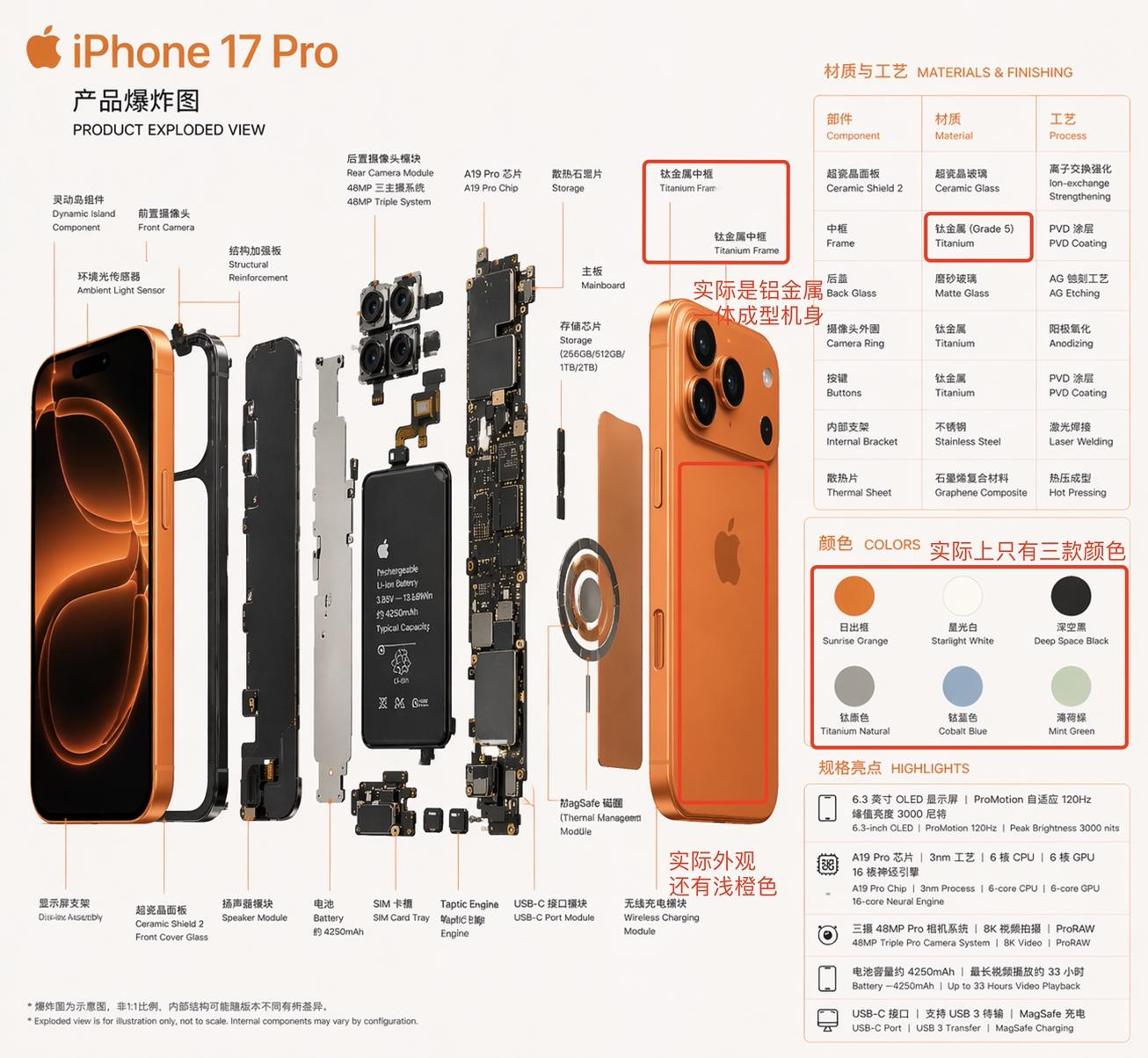
In a paper published by OpenAI in Nature, researchers admitted that the current binary scoring system (1 point for correct, 0 for incorrect) systematically encourages the model to guess answers rather than admit ignorance. In the SimpleQA test, to achieve high scores, the o4-mini model answered nearly all questions with an error rate exceeding 75%.
The second set is the conservatism rate. To address regulatory and ethical risks, the new model has adopted overly cautious safety strategies. Users report that the GPT-5 series often refuses to execute reasonable code tests or technical discussion commands citing “potential risks.” In the EU, generating images in a “Hayao Miyazaki style” can trigger protective restrictions to comply with the Digital Services Act.
Ironically, this “safety” is selective: the model can strictly prevent IP infringement but has no barriers when altering Chinese citizens’ identification information.

Hallucinations make you distrustful, conservatism makes it unusable. When the basic reliability of a tool is shaken, the primary reason for paying disappears. The next question is: will this distrust directly lead users to leave?
OpenAI’s internal predictions provide a harsh answer: by 2026, the number of ChatGPT Plus subscribers paying $20/month will plummet by 80% from about 45 million to only 9 million. Meanwhile, the ad-supported $8/month plan will surge 36 times to reach 112 million users. The average revenue per paid user (ARPU) will be halved from about $23 to less than $12.
12% Voice Usage Rate and 73% Demand for “Mental Laziness”
In addition to being “not usable,” another barrier to payment is the perception of being “not frequently used.” This is reflected in two misaligned numbers.
The first is the 12% usage rate of voice features. The reason is straightforward: the average wake-up delay is 2.3 seconds, which can increase to 3-5 seconds in weak network environments like tunnels or mountains. Pure audio feedback is inefficient, and users face social awkwardness when using it in public. A feature intended to enhance convenience has instead become a mere ornament due to poor basic experience.
The second, more critical misalignment is the mismatch between feature updates and core needs. Data shows that 73% of ChatGPT conversations focus on basic needs like writing refinement and inspiration, but the platform’s iteration priorities have been on multimodal and code generation features. This is akin to a restaurant where most customers come for fast food, yet the chef is engrossed in developing exquisite French cuisine.

This mismatch leads to extremely low user stickiness: only 7% of American users use ChatGPT daily. Most still rely on search engines for real-time information because ChatGPT’s training data has a delay (as of October 2025), and its answers lack the authoritative traceability that search engine links provide.
77% Independent Task Automation and Fatal Shortcomings in Ecosystem Integration
When users attempt to integrate ChatGPT into serious workflows, its shortcomings become glaring gaps. In enterprise-level scenarios, 77% of automation use cases can only support independent tasks and fail to achieve cross-system process closure. This means it struggles to connect data silos in CRM, finance, and other areas.
Comparing with competitors highlights this shortcoming:
- In multimodal material processing, Google Gemini excels with its mixed parsing capabilities for images, videos, and documents at a lower API cost.
- In professional code and long text processing, Claude 3.5 establishes trust barriers in rigorous scenarios like finance and law due to its low hallucination rate and stability in handling long texts of up to 100,000 tokens.

- In ecosystem integration, Gemini achieves “system-level seamless invocation” through pre-installed Android, Gmail/doc embedding, while ChatGPT remains at the application or plugin level, struggling to capture users’ primary entry points.
From 5.6% to $100 Billion in Ad Revenue: A Complete Shift in Business Logic
The ultimate result of all experience shortcomings points to a dramatic shift in the business model. The sluggish growth of paid users forces OpenAI to shift its strategic focus to advertising.
Internal forecasts indicate that by 2030, advertising revenue will exceed $100 billion, accounting for 36% of total revenue, becoming the largest source of income. This transformation has already triggered user backlash, with paid users warning on Reddit that they “may lose all users” and considering canceling subscriptions due to advertising plans.
A 5.6% subscription rate is not a static result but a dynamic endpoint derived from a series of experience defects. It signifies that ChatGPT, in its pursuit of general intelligence, has not yet crossed the payment threshold from “popular tool” to “essential service” due to a crisis of model trust, interaction experience shortcomings, and ecosystem integration disadvantages.
When the smartest model fails to solve the most common pain points, users’ choice is to vote with their feet or only accept the ad-supported free version.
Comments
Discussion is powered by Giscus (GitHub Discussions). Add
repo,repoID,category, andcategoryIDunder[params.comments.giscus]inhugo.tomlusing the values from the Giscus setup tool.